
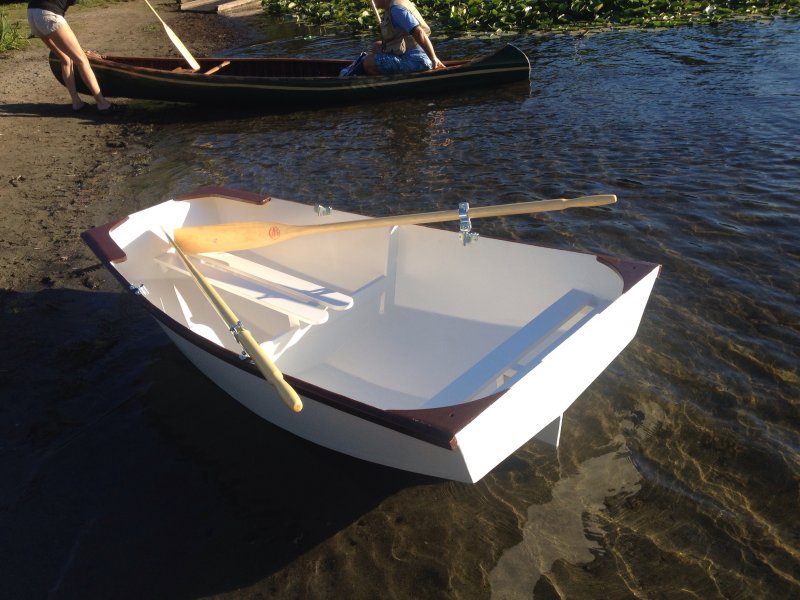
Building Your Own Dinghy: A Compact and Practical Adventure Awaits
So, you're dreaming of exploring the waterways, enjoying the sunshine, and feeling the wind in your hair. You're envisioning yourself gliding through calm waters, casting a line for a peaceful afternoon of fishing, or hopping between islands for a weekend getaway. But maybe a big boat isn't in your budget or storage space, or perhaps you just crave a simpler, more intimate experience on the water. If that's the case, building your own dinghy might just be the perfect solution!
A dinghy is a small, lightweight boat, typically used for getting around harbors, lakes, and rivers. It's a perfect choice for solo paddling, fishing, or simply enjoying a quiet afternoon on the water. The best part? Building your own dinghy can be a fun and rewarding project that lets you customize it exactly to your needs and preferences.
This guide will take you through everything you need to know about building a compact, practical dinghy, from choosing the right plans to selecting materials and tools. We'll cover the essential steps involved in construction, and by the end, you'll have all the information you need to start your own dinghy-building adventure!
Choosing the Perfect Dinghy Plans
The first step in your dinghy-building journey is choosing the right plans. This decision is crucial, as it sets the foundation for your entire project. There are countless dinghy plans available online and in print, but how do you find the one that's right for you?
Consider Your Needs and Preferences
Before you dive into the world of dinghy plans, take a moment to think about what you'll use your boat for. Here are some questions to consider:
- How many people will you be taking with you?
- Will you be using it for fishing, paddling, or a combination of activities?
- Do you need a lot of storage space?
- What kind of waters will you be sailing on (calm lakes or choppy seas)?
- What's your budget for materials and tools?
- How much time and skill are you willing to invest in the project?
Types of Dinghy Plans
Now that you have a better understanding of your needs, you can explore the different types of dinghy plans available:
- Simple, flat-bottomed dinghies: These are the most basic and often easiest to build. They're perfect for beginners and are ideal for calm waters.
- V-bottomed dinghies: These offer more stability and can handle slightly rougher conditions. They are a bit more complex to build, but the increased performance is often worth the extra effort.
- Inflatable dinghies: If portability is a major concern, inflatable dinghies are a great option. They can be deflated and stored in a compact bag, making them easy to transport and store.
Finding the Right Plans
Once you've narrowed down your options, it's time to start searching for dinghy plans. Here are some great resources:
- Online retailers: Sites like Amazon and Etsy offer a wide variety of dinghy plans, often in downloadable format.
- Boatbuilding magazines: Publications like WoodenBoat and Small Boats offer articles and plans for various dinghy designs.
- Local boat clubs and sailing associations: These organizations often have members who are experienced boat builders and may be able to offer advice or plans.
- Boatbuilding books: Numerous books provide comprehensive instructions and plans for building dinghies, covering various styles and complexities.
Gathering Materials and Tools
Now that you have your dinghy plans, it's time to gather the materials and tools you'll need. The specific materials will vary depending on the design of your boat, but here are some common essentials:
- Plywood: Marine-grade plywood is the most common material for dinghy construction. It's durable, lightweight, and water-resistant.
- Fiberglass cloth and resin: These are used to create a strong, waterproof shell around your plywood frame.
- Wood screws and epoxy: These are used for joining and sealing the various parts of your boat.
- Hardware: This includes items like cleats, oarlocks, a rudder, and a tiller.
- Paint or varnish: Use a marine-grade paint or varnish to protect your boat from the elements.
- Safety equipment: Remember to include essential safety items like life jackets, paddles, and a whistle.
In addition to materials, you'll need a set of tools. Here are the basics:
- Saw: A circular saw, jigsaw, or hand saw for cutting the plywood.
- Drill: For drilling pilot holes and fastening parts together.
- Sandpaper: For smoothing the surfaces of your boat.
- Screwdriver: For securing screws and other fasteners.
- Measuring tape and a level: For ensuring accurate measurements and alignment.
Building Your Dinghy: Step by Step
With your plans, materials, and tools ready, you're finally ready to start building your dinghy. The specific steps involved will depend on the design of your boat, but here's a general outline:
1. Building the Frame
The frame is the foundation of your dinghy, providing support and shape. This step involves cutting the plywood into the required shapes and using wood screws and epoxy to join them together.
2. Adding Ribs and Stringers
Once the basic frame is in place, ribs and stringers are added to further strengthen and shape the hull. These are often made from wood or fiberglass and are attached to the frame using epoxy.
3. Creating the Hull
Now you'll use fiberglass cloth and resin to create a strong, waterproof shell around your frame. This process usually involves applying multiple layers of fiberglass cloth, each soaked in resin and allowed to cure.
4. Finishing Touches
Once the hull is fully cured, you can start adding the finishing touches. This includes sanding the surface smooth, applying paint or varnish, and attaching hardware like cleats, oarlocks, and a rudder.
5. Launch Day!
You've done it! Your dinghy is complete and ready for its maiden voyage. Take it out for a test run and enjoy the fruits of your labor.
Commonly Asked Questions
Building a dinghy can be a rewarding but challenging project. Here are some common questions that potential boat builders often have:
1. How much does it cost to build a dinghy?
The cost of building a dinghy varies depending on the size, complexity, and materials used. You can expect to spend anywhere from a few hundred dollars to a few thousand dollars.
2. How much time does it take to build a dinghy?
The time required to build a dinghy depends on your experience, the complexity of the plans, and how much time you can devote to the project. Beginners may need a few weeks or months to complete their boat, while experienced builders could finish it in a shorter period.
3. Do I need any special skills to build a dinghy?
While some basic woodworking skills are helpful, you don't need to be a master craftsman to build a dinghy. The plans usually provide detailed instructions and diagrams, and there are plenty of resources available online and in libraries to guide you along the way.
4. Is it safe to build my own dinghy?
Building your own dinghy can be safe if you follow the plans carefully and use quality materials. However, it's crucial to understand the principles of boat construction and to take all necessary safety precautions. If you're unsure about any aspect of the project, seek advice from experienced boat builders or professionals.
5. What are the benefits of building my own dinghy?
Building your own dinghy offers a unique set of benefits:
- Customization: You have complete control over the design, size, and features of your boat.
- Pride of ownership: There's immense satisfaction in creating something with your own hands.
- Cost savings: Building your own dinghy can save you money compared to buying a pre-built one.
- Learning experience: The process of boat building can be a rewarding learning experience, teaching you valuable woodworking skills.
Building your own dinghy is a challenging yet rewarding project. With the right plans, materials, and a little bit of patience, you can create a compact, practical boat that will provide countless hours of enjoyment on the water. So, gather your tools, dive into the plans, and embark on your own dinghy-building adventure!
0 comments:
Post a Comment