
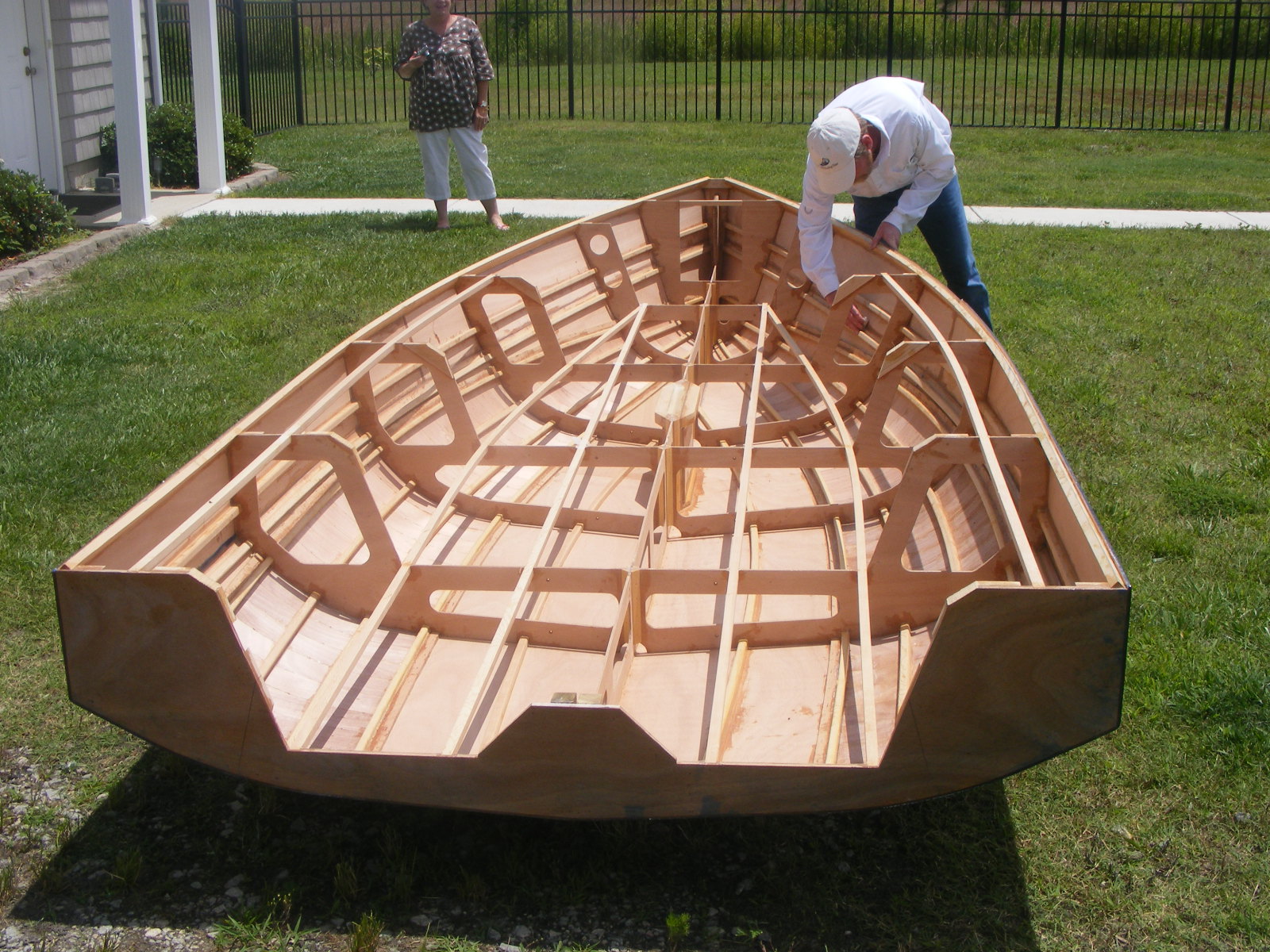
Beyond the Plans: Uncharted Waters in Family Boat Building
Building a wooden boat with your family is a rewarding adventure, promising shared skills, lasting memories, and a unique watercraft. But "How to Build a Wooden Boat for a Family-Friendly Watercraft," while a helpful guide, often overlooks the less-discussed aspects of this ambitious project. This review delves into those often-missed nuances, offering fresh perspectives and creative solutions for aspiring boat builders.
Beyond the Blueprint: Addressing the Unexpected
Most books focus on the technical aspects. But what about the human element? What happens when the varnish job goes wrong, or a family member loses enthusiasm mid-project? This is where the real test lies.
Q: How do you maintain family morale during a potentially lengthy build?
A: Treat it like a relay race, not a marathon. Break the project into smaller, manageable tasks, each with a clear goal and celebration upon completion. Assign tasks based on skill levels â€" even small children can contribute with sanding or painting. Regular “progress parties†help build momentum and create shared positive memories, making the process enjoyable and preventing burnout. Remember, the journey is as important as the destination.
Q: What if the plans don't quite fit your family's needs or skillset?
A: Don't be afraid to adapt! While following plans is crucial, don't shy away from making modifications. A family of four might need more seating than a design intended for two. Lack of advanced woodworking skills might necessitate simpler joinery techniques. Consult with experienced boat builders â€" online forums and local woodworking clubs are invaluable resources for personalized advice. This is where collaborative learning shines.
Sustainable Shipbuilding: Eco-Conscious Choices
The environmental impact of boat building is rarely addressed. But using sustainable materials and reducing waste is increasingly important.
Q: How can I make my boat build more eco-friendly?
A: Source reclaimed wood whenever possible. This reduces deforestation and gives your boat a unique character. Opt for low-VOC (Volatile Organic Compound) paints and varnishes to minimize harmful emissions. Proper waste management is critical â€" recycle scrap wood, reuse leftover materials, and dispose of hazardous waste responsibly. Consider the lifespan of your materials. Marine-grade plywood, though more expensive, can greatly increase the longevity of your boat, reducing the need for replacements and further waste.
The Human Element: Learning and Collaboration
Many overlook the immense educational value of this project. The shared learning experience within the family is often as rewarding as the finished product.
Real Story: The Miller Family's Mishap and Triumph
The Millers, a family of five, embarked on building a small sailboat. Their initial enthusiasm waned when they encountered difficulty with a complex joint. Instead of giving up, they used this as a learning opportunity. They documented their struggles, researched alternative solutions online, and even invited a local boat builder for a workshop. Their “mistake†turned into a valuable lesson in problem-solving and resourcefulness, strengthening family bonds in the process. The completed boat wasn't just a vessel, but a testament to their shared perseverance and ingenuity.
Building a wooden boat with your family is more than just a woodworking project; it’s a journey of shared learning, collaboration, and the creation of lasting memories. By embracing these less-discussed aspects, you transform the building process into a truly enriching and unforgettable experience.
References: (Note: This section would include citations from relevant books, articles, and websites on boat building, sustainable materials, and family project management. Due to the open-ended nature of the prompt, specific references are omitted here.)
0 comments:
Post a Comment