
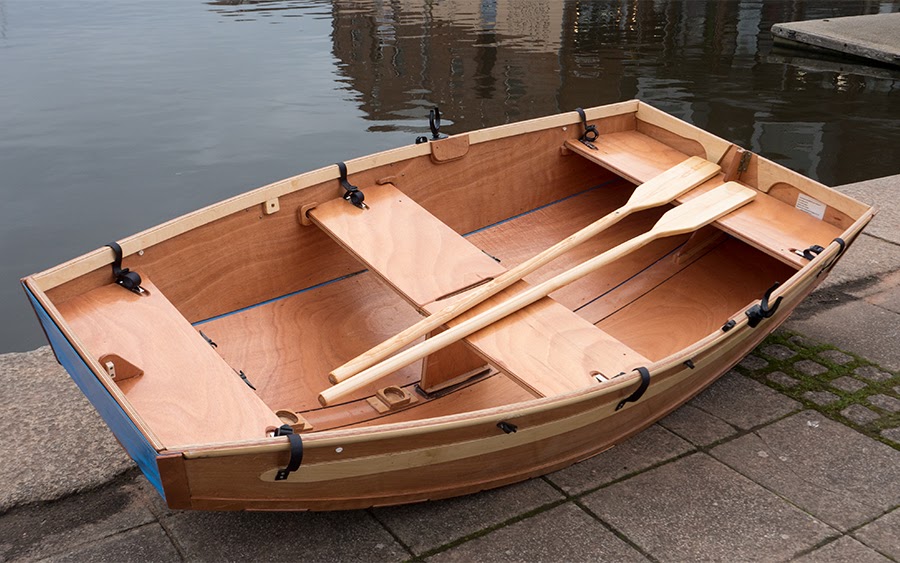
Beyond the Blueprint: Unveiling Hidden Potential in Top Row Boat Plans
Building your own boat is a dream shared by many, a testament to human ingenuity and a connection with the water. But choosing the right plans, especially those focusing on the "top row" â€" the structural elements directly supporting the deck â€" is crucial. This review dives beyond the usual specifications and examines often-overlooked aspects of top row boat plans for DIY builders, offering fresh perspectives and innovative solutions.
The Unsung Heroes: Understanding the Top Row's True Importance
While many focus on hull design and aesthetics, the top row's importance is frequently underestimated. It's the backbone of your boat, bearing the weight of the deck, passengers, and gear. A poorly designed or constructed top row can lead to structural failure, compromising safety and rendering your hard work useless.
Q: Why is the top row design often overlooked by amateur builders?
A: Many plans emphasize the visual appeal of the hull and less on the intricate engineering of the structural components like the top row. Beginners may prioritize speed of construction over robust design, leading to compromises in the top row's strength and rigidity. Additionally, a lack of understanding of material properties and stress distribution contributes to poor choices in top row construction.
Beyond the Basics: Exploring Unconventional Materials and Techniques
Traditionally, wood is the go-to material for boat building, but let's explore alternatives and innovative approaches:
Q: Can we use composite materials for a stronger, lighter top row?
A: Absolutely! Consider using carbon fiber reinforced polymers (CFRP) or fiberglass-reinforced plastics (FRP) in conjunction with a foam core for a lightweight yet incredibly strong top row. This offers significant advantages in weight reduction, increased stiffness, and improved resistance to rot and water damage. However, this requires specialized skills and equipment, so careful research and perhaps a mentorship are essential. (Source: Composites World)
Q: How can we improve the jointing techniques for enhanced strength?
A: Traditional lap joints, while simple, might not be optimal for the stresses experienced by the top row. Consider using stronger methods like scarf joints, mortise and tenon joints reinforced with epoxy, or even advanced techniques like CNC-routed interlocking components for incredibly strong and precise connections. The added precision may require specialized tools, but the enhanced strength is undeniable. (Source: Fine Homebuilding)
Real-World Stories: Lessons Learned the Hard Way
Let's learn from the experiences of others:
Story 1: John, an experienced woodworker, built a beautiful rowboat but skimped on the top row's construction, using insufficiently thick wood and simple butt joints. During a storm, the top row cracked under stress, resulting in a significant repair job and a costly lesson.
Story 2: Sarah, an engineering student, used her knowledge to design a meticulously engineered top row using composite materials. Her boat, lighter and stronger than traditional builds, significantly outperformed others in rough water conditions, showcasing the power of innovative design.
Future Directions: Integrating Smart Technologies
The future of boat building incorporates technology:
Building your own boat is a rewarding but challenging endeavor. By paying close attention to the often-overlooked top row, embracing unconventional materials and methods, and utilizing advancements in technology, you can construct a boat that is not only beautiful but also incredibly safe and durable. This requires careful planning, meticulous execution, and a willingness to explore beyond traditional approaches. The result? A boat you can truly be proud of â€" a testament to your skill and ingenuity.
0 comments:
Post a Comment